How Do Medical Alert Systems Work?
A simple explainer covering how medical alert systems work, how in-home and mobile systems differ, and what families should compare before choosing.
Affiliate disclosure
SafeAtHomeHub may earn a commission when you use some provider links. You do not pay more, and commissions do not buy a ranking or positive review.
How we handle commercial relationships
Comparisons follow published decision criteria. We do not accept paid placement or compensation in exchange for favorable coverage.
Read the full affiliate disclosure and editorial guidelines.
On This Page
- The Basic Parts of a Medical Alert System
- In-Home Systems vs Mobile Systems
- What Happens in an Emergency?
- What Is Fall Detection?
- What Families Should Compare
Quick Answer
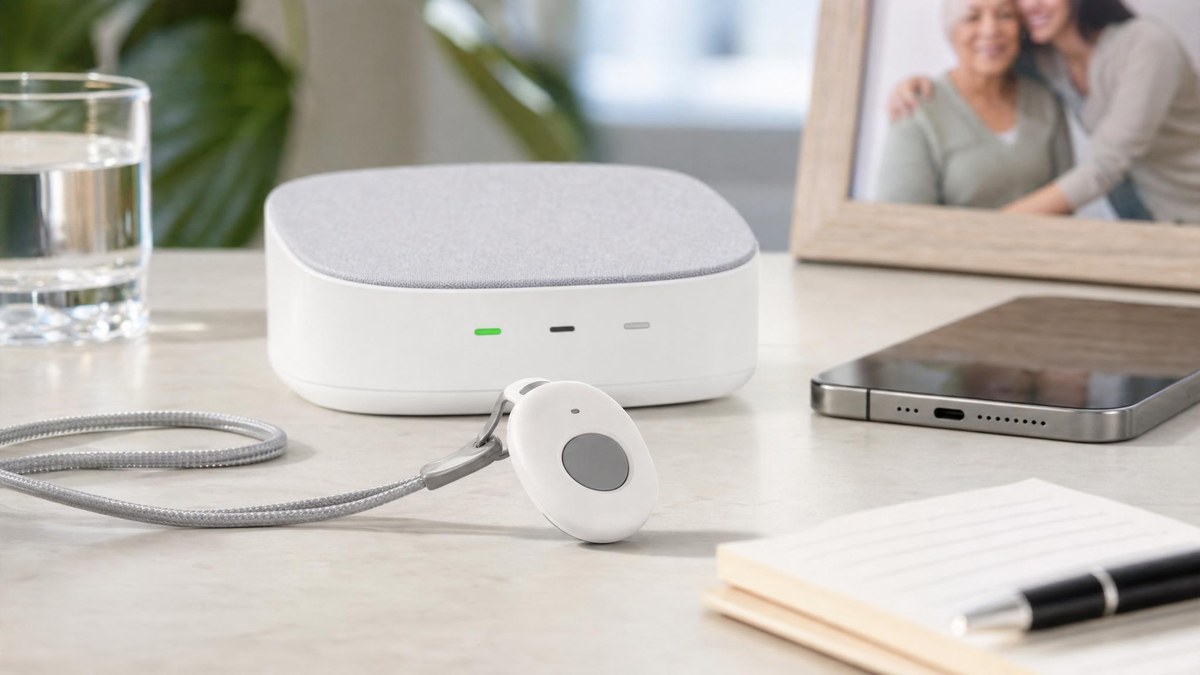
Medical alert systems generally work by giving the user a way to call for emergency help through a wearable device, in-home base system, mobile unit, or some combination of those tools.
When the button is pressed, or when automatic fall detection is triggered if available, the system connects the user to emergency support or monitoring assistance.
On This Page
- The Basic Parts of a Medical Alert System
- In-Home Systems vs Mobile Systems
- What Happens in an Emergency?
- What Is Fall Detection?
- What Families Should Compare
If you’re researching medical alert systems for yourself, a parent, or another loved one, one of the first questions you may want answered is how these systems actually work in real life.
Quick Answer
Medical alert systems generally work by giving the user a way to call for emergency help through a wearable device, in-home base system, mobile unit, or some combination of those tools.
What Families Should Compare
- in-home vs mobile fit
- fall detection availability
- monthly price and extra fees
- ease of use for the senior
- overall caregiver reassurance
Related Next Reads
Continue from the guide into a higher-intent page.
Read more →Continue from the guide into a higher-intent page.
Read more →Continue from the guide into a higher-intent page.
Read more →Continue from the guide into a higher-intent page.
Read more →How we evaluate this page
- Reader fit and practical decision usefulness
- Pricing clarity and need for direct recheck
- Safety, support, cancellation, and provider transparency
- Internal comparison value against close alternatives
Before enrolling: Confirm the provider's current pricing, contract, cancellation, equipment, and optional-service terms directly.
Use this guide as a family decision aid
Start with routine. Home-only and mobile systems solve different problems.
Confirm current terms. Ask about equipment fees, cancellation, fall detection, and spouse coverage.
Test the handoff. Make sure the person will wear the device and caregivers understand alerts and access.