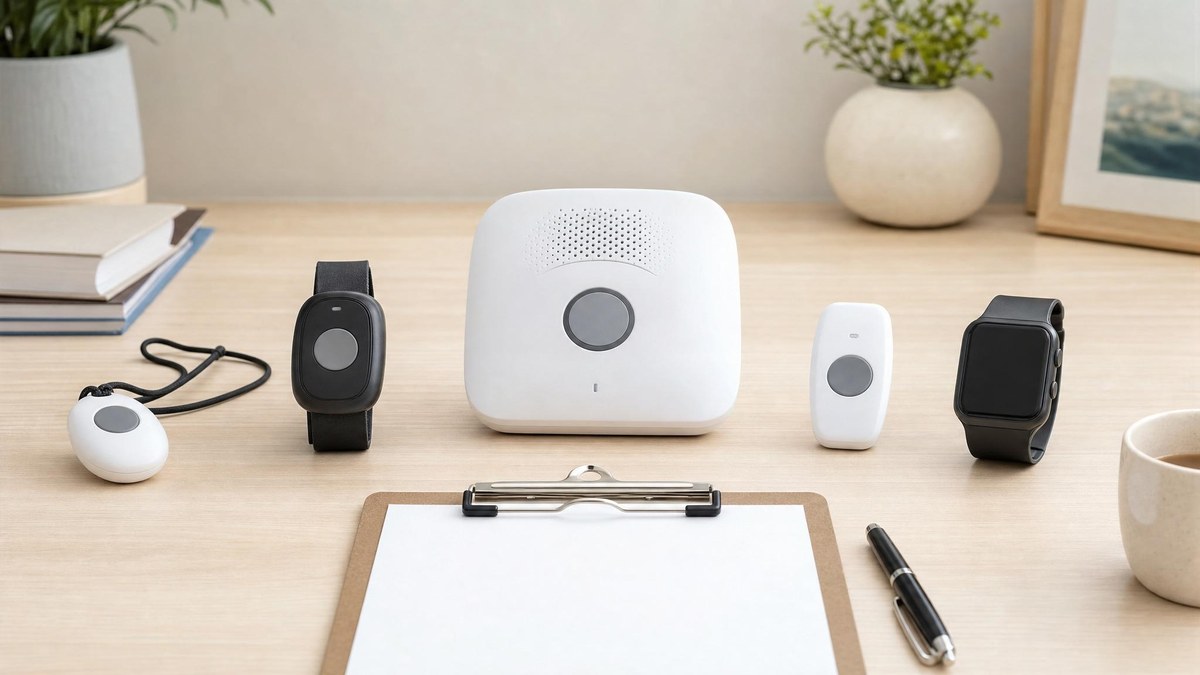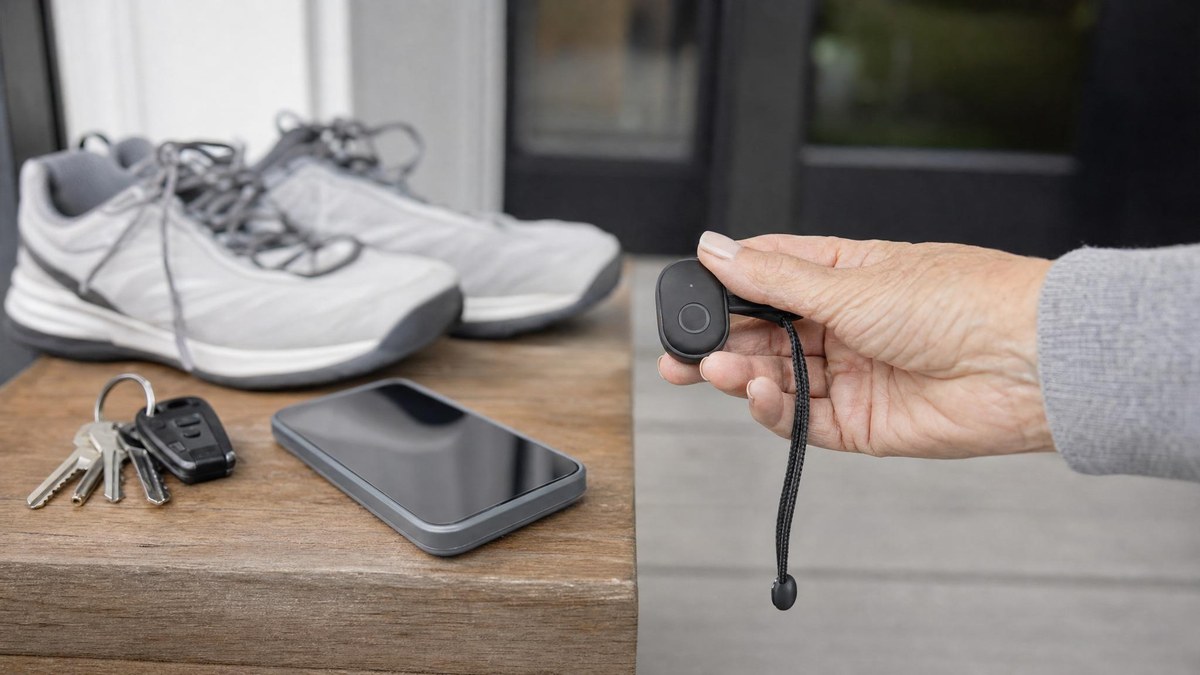
MobileHelp
Active seniors and families comparing home + mobile flexibility
Standout:Broad home/mobile system range with flexible use cases
Pricing note:Verify current home, mobile, bundle, and fall-detection pricing directly
Verification:comparison-tier pricing verified; live provider recheck required
Last checked:2026-05-03 · Publish ready:yes
Source:https://www.mobilehelp.com/pages/medical-alert-systems
Read MobileHelp Review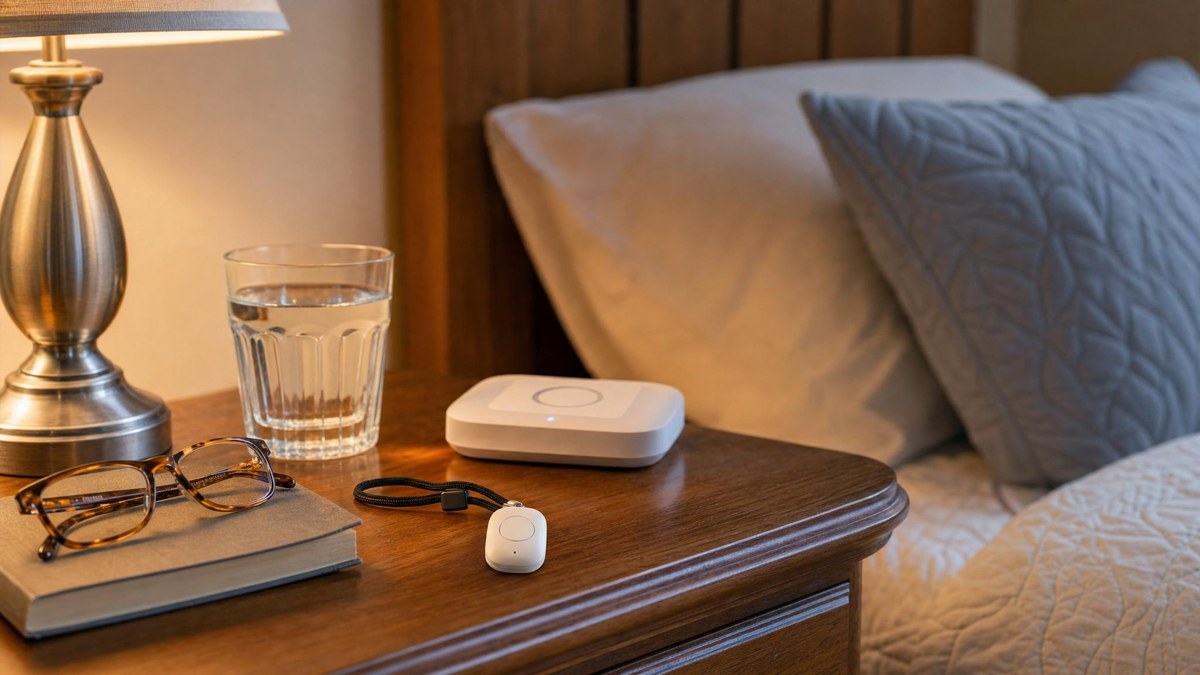
Medical Guardian
Families wanting a recognizable all-around medical alert brand
Standout:Officially verified MGHome Landline and MGMini options with optional fall detection
Pricing note:Official pages show MGHome Landline as low as $27.95/mo, MGMini as low as $39.95/mo, and MGMini fall detection as a $10/mo add-on; verify checkout totals before purchase
Verification:official provider product pages verified for MGHome Landline, MGMini, and fall-detection add-on
Last checked:2026-05-03 · Publish ready:yes
Source:https://www.medicalguardian.com/medical-alert-systems/landline-alert-button + https://www.medicalguardian.com/medical-alert-systems/gps-button-fall-detection
Read Medical Guardian Review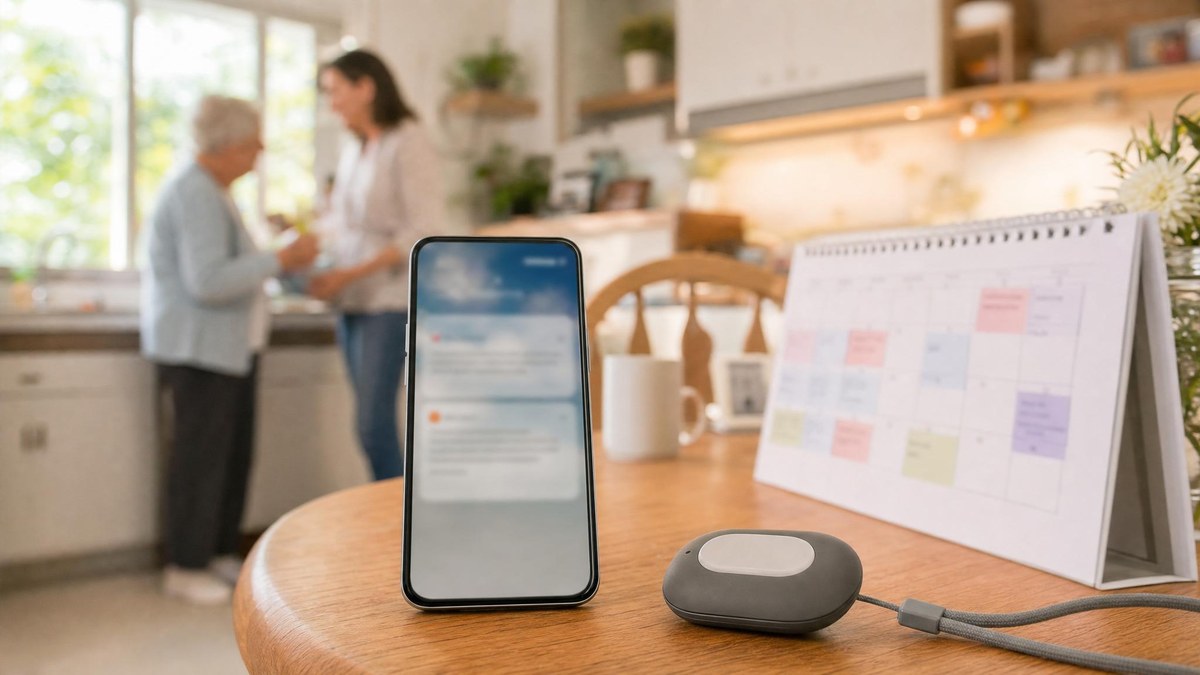
LifeFone
Caregivers who value established medical-alert experience and flexible emergency-care instructions
Standout:Official product pages verify at-home, mobile, smartwatch, optional fall-detection, and caregiver-oriented emergency-plan features
Pricing note:Official At-Home Landline page lists plans as low as $24.95/mo on annual plan and fall detection as an additional $5/mo; verify exact current plan and checkout total before purchase
Verification:official LifeFone systems and At-Home Landline pages verified for product lineup, starting price, fall detection, policies, and caregiver features
Last checked:2026-05-03 · Publish ready:yes
Source:https://www.lifefone.com/medical-alert-systems + https://www.lifefone.com/at-home-landline
Read LifeFone Review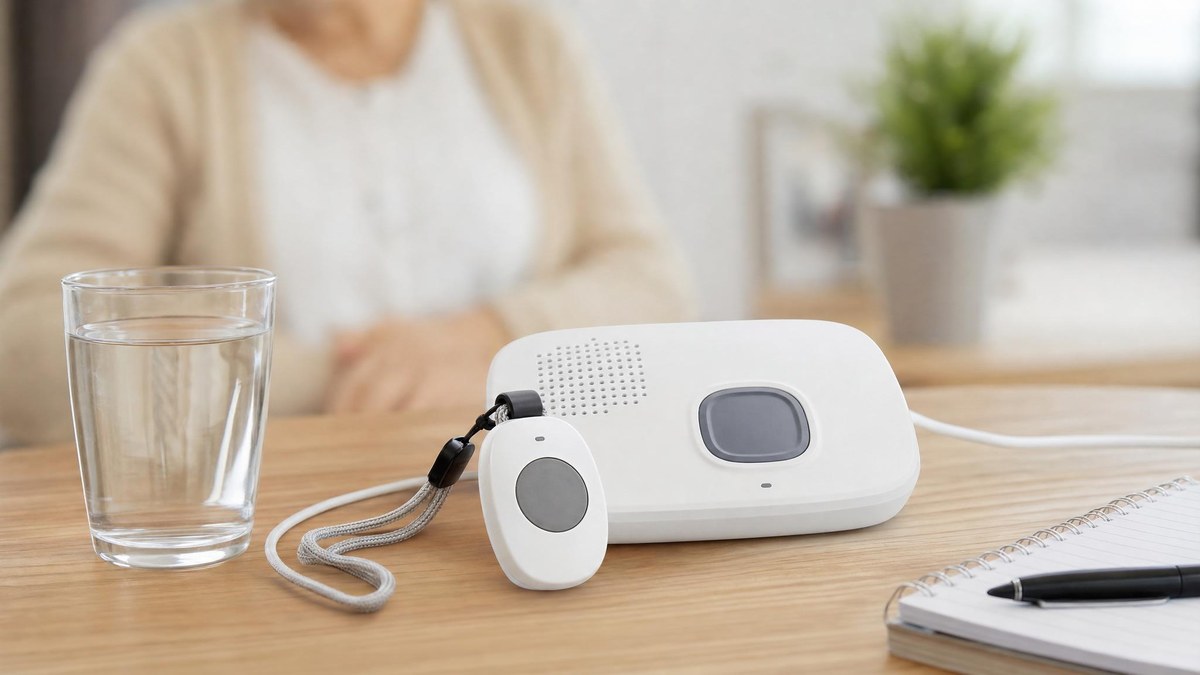
Medical Alert
Value-conscious families comparing affordability against core home, mobile, smartwatch, and fall-detection features
Standout:Official MedicalAlert.com pages verify systems from $29.95/mo and optional fall detection across systems
Pricing note:Official pages list systems from $29.95/mo and Home System as low as $29.95/mo; verify selected system, billing plan, add-ons, and promotions at checkout
Verification:official MedicalAlert.com home, product, and fall-detection pages verified
Last checked:2026-05-03 · Publish ready:yes
Source:https://www.medicalalert.com/ + https://www.medicalalert.com/product/home-system-cellular/ + https://www.medicalalert.com/fall-detection/
Read Medical Alert Review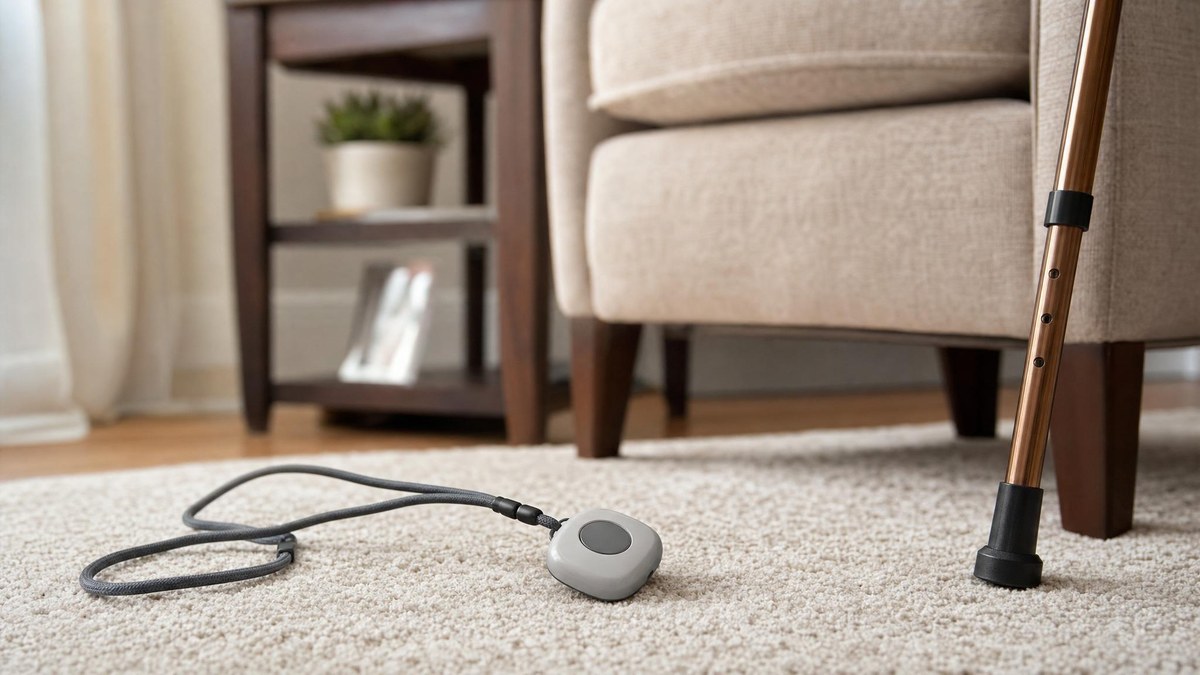
Bay Alarm Medical
Families comparing established medical alert brands with home, mobile, and smartwatch options
Standout:Official pricing page verifies low starting monthly costs and broad SOS product suite
Pricing note:Official pricing page lists SOS Home from $27.95/mo, SOS Micro from $34.95/mo, SOS Smartwatch from $39.95/mo, and automatic fall detection from $10/mo; verify current checkout total before purchase
Verification:official pricing and fall-detection pages verified for plan starts, device fees, monitoring, and fall-detection add-on
Last checked:2026-05-03 · Publish ready:yes
Source:https://www.bayalarmmedical.com/pricing/ + https://www.bayalarmmedical.com/medical-alert-system/automatic-fall-detection/
Read Bay Alarm Medical Review